Level 0 ETF basics · Part 11/14
Dividend ETFs: payouts and required capital
Some ETFs pay out their dividends regularly instead of reinvesting them. This creates an ongoing cash flow whose size varies with the dividends of the underlying companies.
How large does the portfolio need to be?
The dividend portfolio calculator works backwards: a target annual payout and a distribution yield give the portfolio size required (gross and net of tax).
Which ETFs in the catalog distribute and which accumulate:
What applies
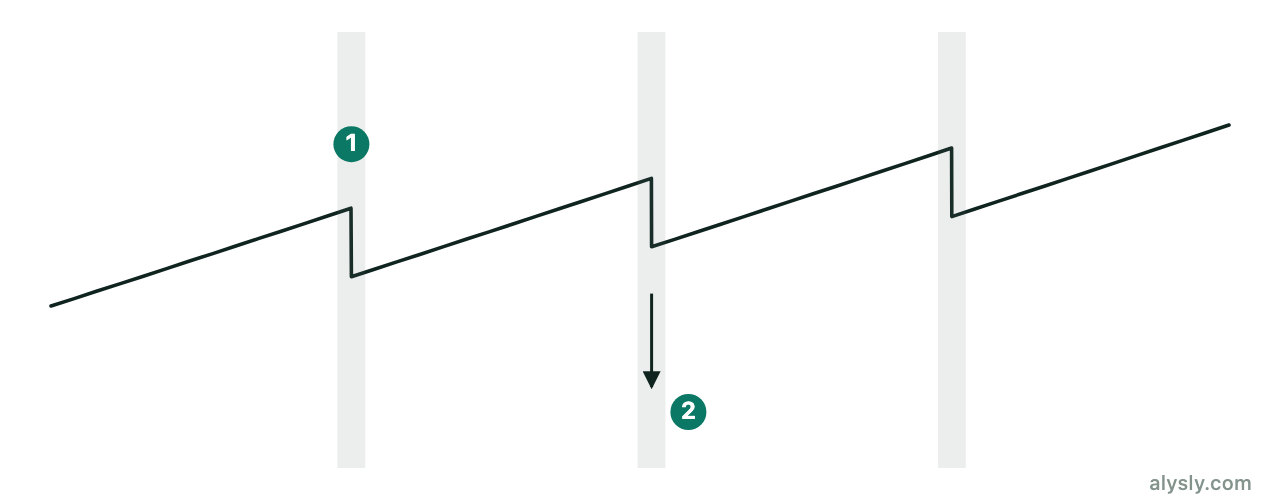
- A high yield is not extra return – the fund price drops by the amount paid out on the distribution date.
- Dividends can be cut; one year’s payout does not guarantee the next.
- In Germany, distributions are first offset against the tax-free allowance .
- Accumulating ETFs reinvest the same income without any action.
Information only, not investment advice.