Level 0 Investing & ETF Basics · Part 10/16
MSCI World Criticism: How Big Is the US Concentration?
The MSCI World is regarded as the classic one-ETF portfolio. It is often criticized for its heavy US weighting and the dominance of a few mega-caps. The current figures:
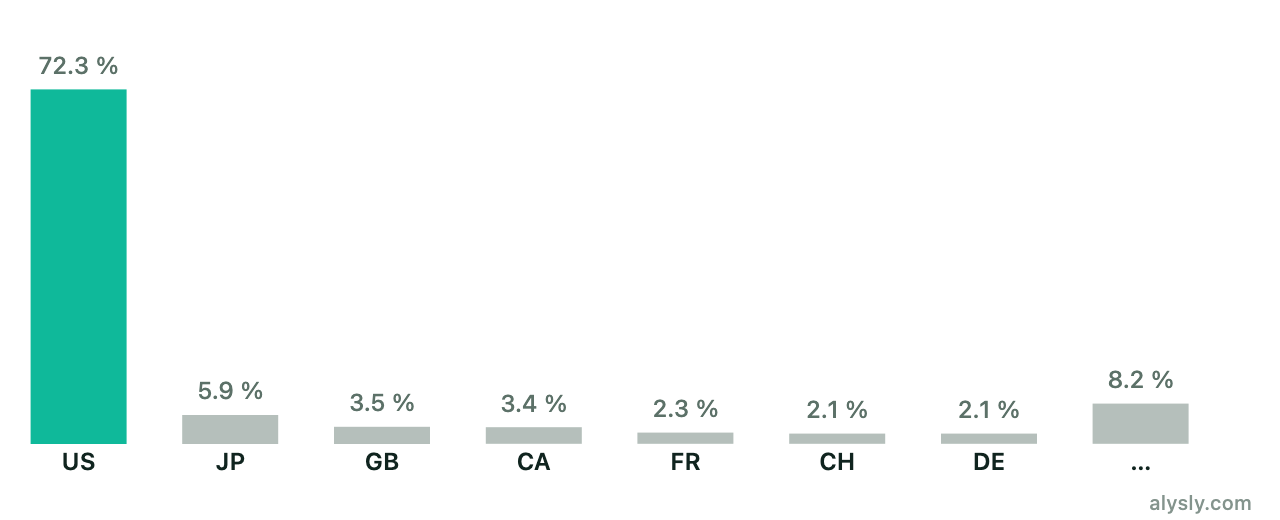
The country and sector bars come from the holdings data of the index funds. The US share and the weight of the largest tech names are the points the criticism refers to.
Which Fund Types Change the Weighting
- Other regions or factors: small-cap or value funds, for example, lower the weight of the largest companies in an overall portfolio.
- Overlap between two funds is shown in the ETF comparison; a second fund holding the same names changes little.
- Concentration cuts both ways. The high US weight reflects the market value of US companies and has carried much of the index return in recent years. Whether that continues is open. Our own analysis is in US weight in the MSCI World.
Concentration in Numbers
The index holds about 1,250 companies, yet the ten largest make up 26.7% of the weight, and the largest, Apple, 5.62% on its own. US companies account for 72.3% (holdings as of Nov 1, 2026). Concentration is not unique to the present. In the late 1980s, Japan was the largest country in the MSCI World, and its weight then fell for decades.
What Other Indices Change About the Weights
- Adding emerging markets: in a portfolio of 70% MSCI World and 30% MSCI EM IMI, the US share falls to 50.9%. In the MSCI ACWI IMI, it is 63.8%.
- Equal weighting: every company gets the same share. This lowers the weight of the largest firms but raises the share of smaller ones and the amount of trading.
- Without the US: indices such as the MSCI World ex USA leave the US out entirely and shift the risk to the remaining countries.
Information only, not investment advice.