Level 0 Investing & ETF Basics · Part 15/16
The Pension Gap: Calculating Capital Needs and Withdrawals
Two questions shape the numbers for retirement. Both can be worked through with calculators on Alysly; the results depend heavily on the assumed returns, which nobody knows in advance.
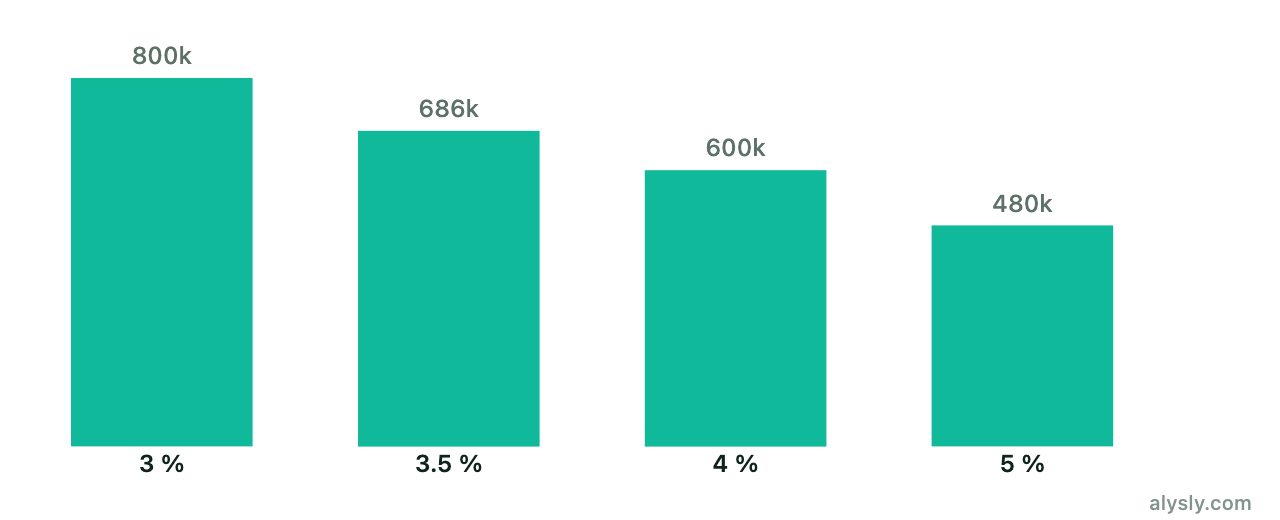
1. How Much Capital Does a Budget Require?
The financial-independence (FIRE) calculator derives the capital target from annual spending and a withdrawal rate. The often-quoted 4% rule comes from past US data and is a rule of thumb, not a guarantee.
2. How Long Does a Portfolio Last?
The withdrawal-plan calculator shows how many years a portfolio lasts at a given monthly withdrawal and return. It also shows whether the income would cover the withdrawal indefinitely.
Inflation
A budget stated in today’s money rises with inflation. The inflation calculator shows what an amount is worth decades from now.
A Worked Example
Suppose spending needs are €2,500 net a month and the state pension is €1,600 net. The gap is then €900 a month, or €10,800 a year. At a 4% withdrawal rate, that corresponds to €270,000 of capital; at 3%, to €360,000.
If retirement is still 25 years away, inflation shifts the numbers. At 2% a year, today’s €900 will cost €1,477 by then, and the capital for a 4% withdrawal rises to about €443,000.
Where the Figures Come From
In Germany, the statutory pension insurer sends an annual pension statement from age 27, showing the pension earned so far and a projection. The amounts are gross. Health and long-term care contributions and, where applicable, taxes come off before a net figure can be compared with one’s own needs.
What the Calculation Leaves Out
- Company and private pensions, rental income or other income that narrows the gap.
- Taxes on the pension and on investment income in retirement.
- The length of retirement: the longer withdrawals last, the more cautious a sustainable withdrawal rate becomes.
Information only, not investment or pension advice.