Real (Inflation-Adjusted) Return
A 7% return with 2.5% inflation does not mean 7% more purchasing power. The calculator shows the real return and what the capital is worth in today’s money. The inputs are starting capital, nominal return, inflation and the time frame.
How the Calculation Works
The real return is not simply the return minus inflation. The correct formula is (1 + nominal return) ÷ (1 + inflation) − 1. At 7% and 2.5%, that gives 4.39%, not 4.5%. The gap is small, but it grows over many years and at high inflation rates.
The nominal final value is the starting capital grown by the nominal return every year. The real final value uses the real return and shows what that amount would be worth at today’s prices. The difference between the two is the loss of purchasing power.
Inflation is pre-filled with the latest reported annual rate of the harmonized index of consumer prices (HICP) for Germany, an official Eurostat series.
Worked Examples
€10,000 starting capital, 20 years:
| Nominal return | Inflation | Real return | Nominal final value | Real final value | Purchasing power lost |
|---|---|---|---|---|---|
| 7.0% | 2.5% | 4.39% | €38,697 | €23,616 | €15,081 |
| 7.0% | 4.0% | 2.88% | €38,697 | €17,661 | €21,036 |
| 3.0% | 2.5% | 0.49% | €18,061 | €11,022 | €7,039 |
| 2.0% | 2.5% | −0.49% | €14,859 | €9,068 | €5,791 |
The last row shows what happens when interest stays below inflation. The balance rises from €10,000 to almost €15,000, while purchasing power falls to about €9,000. One and a half percentage points more inflation, from 2.5 to 4%, cost almost €6,000 in real value after 20 years at a 7% return.
What the Calculator Leaves Out
- Taxes. Tax is charged on nominal gains, including the part that only offsets inflation. After tax, the real return falls further than the table shows.
- Steady rates. Return and inflation stay constant over the whole period. In reality both move. In 2022, for example, high inflation came together with falling bond and stock prices.
- Personal inflation. The consumer price index tracks an average basket of goods. Households that spend more on rent, energy or food face a different rate.
The inflation calculator shows how a fixed sum loses value through inflation alone. The overview of inflation tracks inflation and interest rates in Germany and the euro area.
More calculators and tools are listed in the tools overview.
Latest Investment Analysis
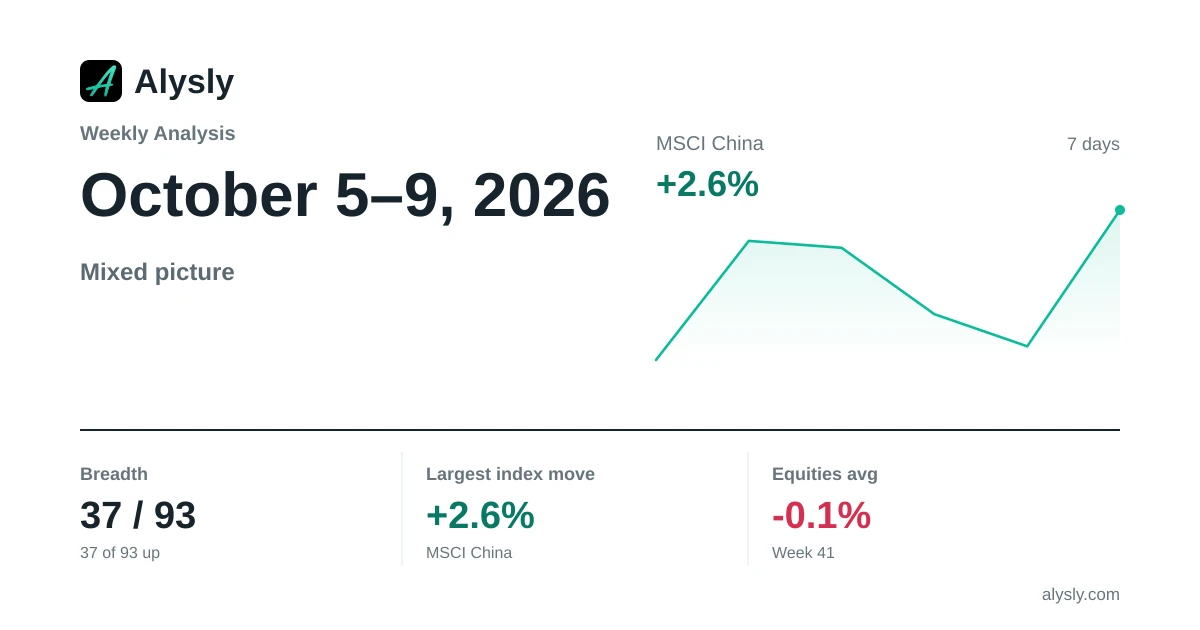 · Mixed
Weekly Analysis: MSCI China Leads the Week (+2.6%) · October 5–9, 2026
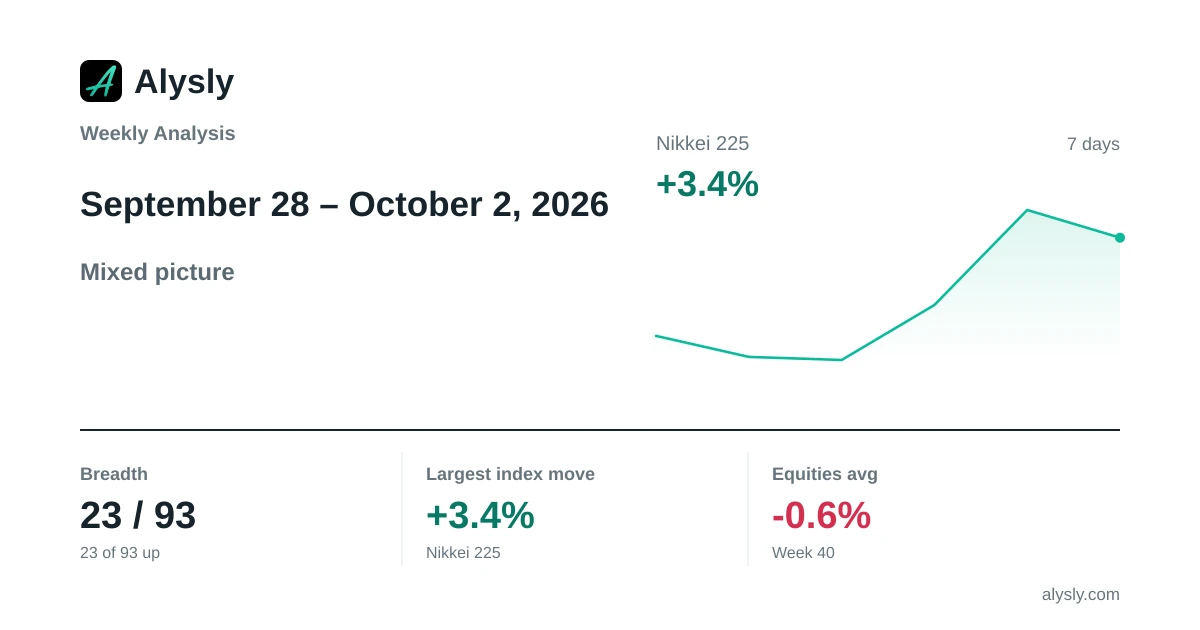 · Mixed
Weekly Analysis: Nikkei 225 Sets the Tone for the Week (+3.4%) · September 28 – October 2, 2026
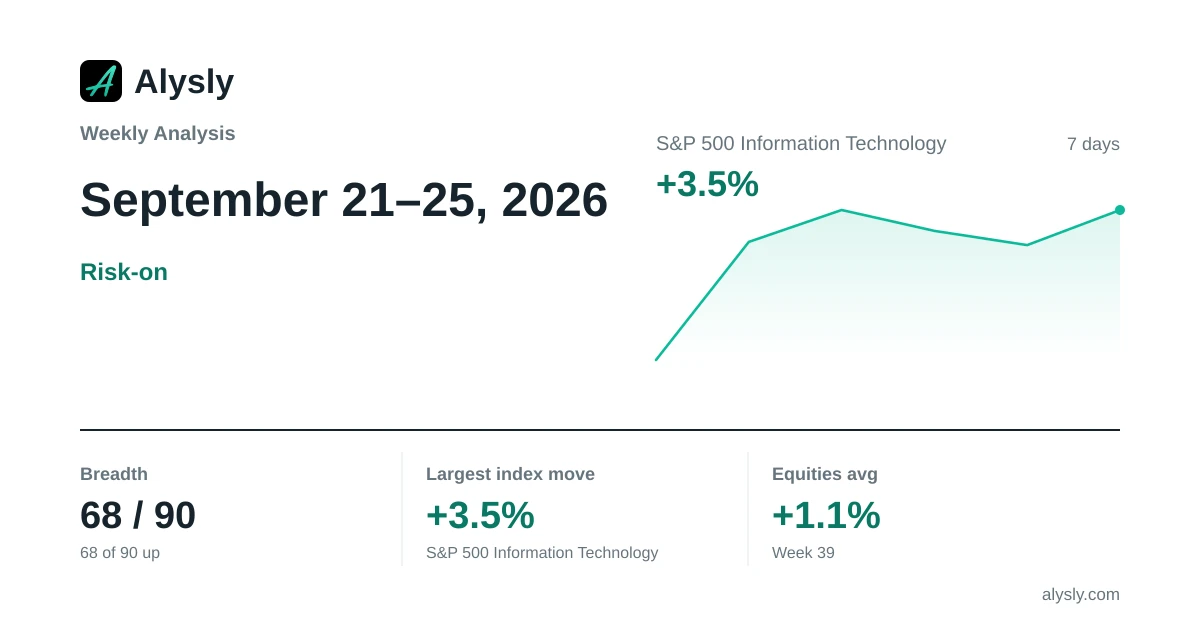 · Risk-on
Weekly Analysis: S&P 500 Information Technology Leads the Week (+3.5%) · September 21–25, 2026
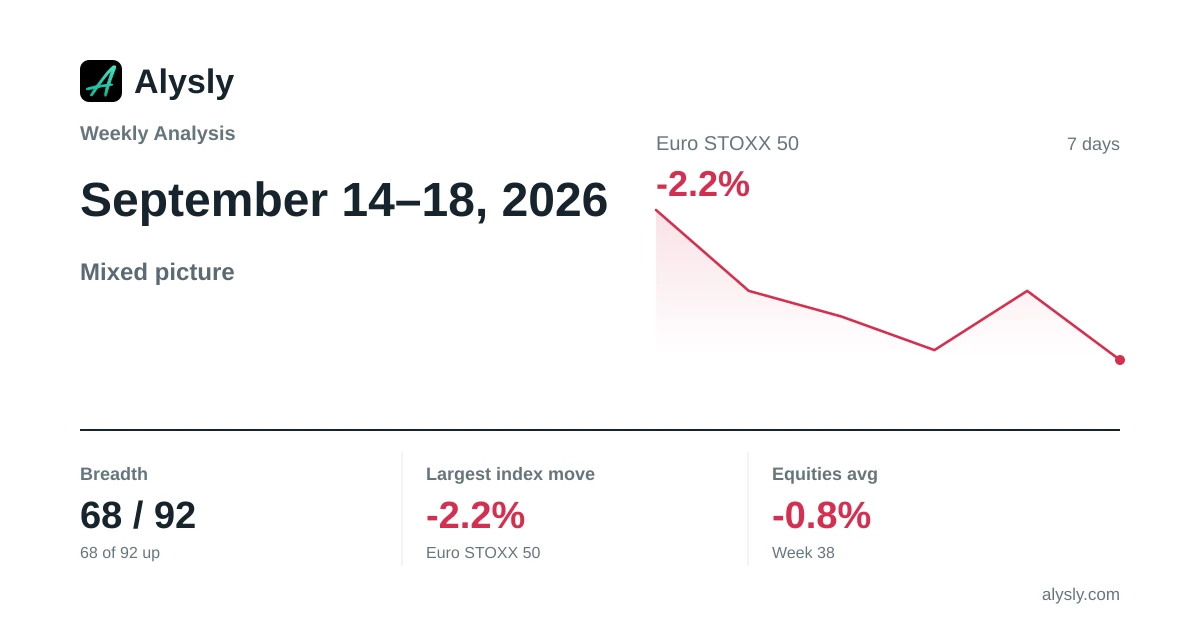 · Mixed
Weekly Analysis: Euro STOXX 50 Weighs on the Week (-2.2%) · September 14–18, 2026
 · Risk-off
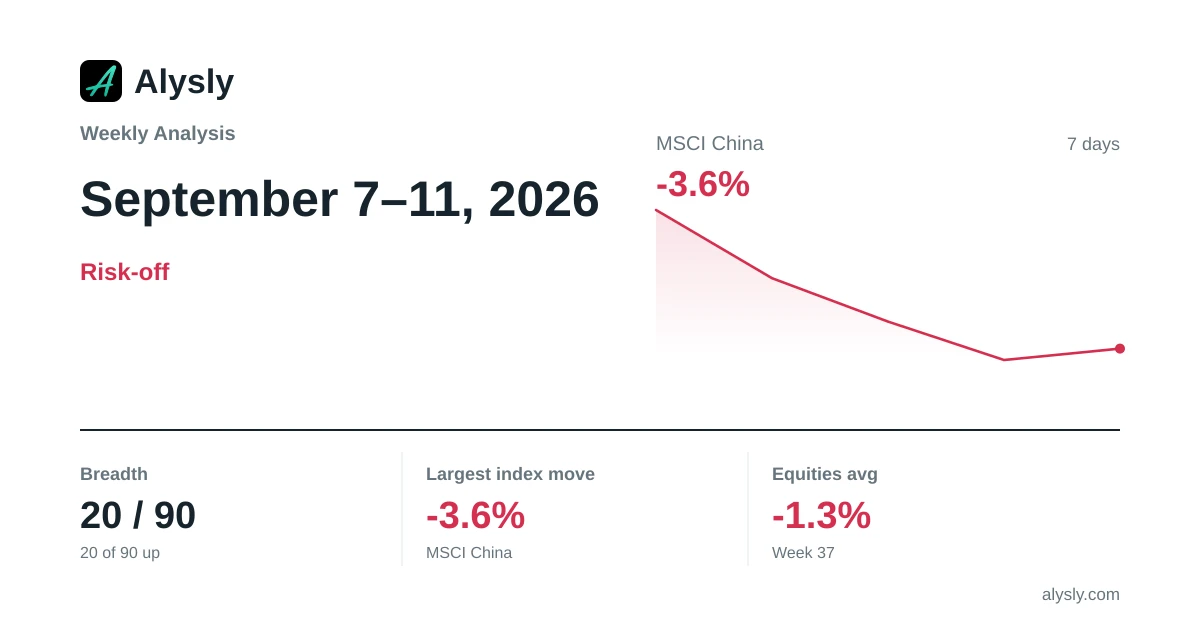
Weekly Analysis: MSCI China Lags the Week (-3.6%) · September 7–11, 2026